




Motorcycle Tire Install Cost: Is It Worth Doing Yourself?
You already priced the tire. Here's what shops actually charge to install it, and the honest math on how many tire changes it takes before owning your own gear pays for itself.

If you're reading this, you've probably already priced out what a shop charges to mount and balance a set of tires, done the math on how many times a year you actually need it done and landed on the same question every rider eventually asks: is there a tire changer worth buying, or is this a job better left to someone else?
Short answer: for most riders who change their own tires more than once or twice a year, yes, it's worth it. The longer answer is that "tire changer" covers a huge range of tools, from a $20 set of spoons and a bucket to a $2,000 shop-grade machine bolted to the floor, and picking the wrong tier for how you actually ride is how people end up with an expensive doorstop or a scratched-up rim.
This guide walks through what actually separates a good tire changer from a bad one, breaks down the real options at every price point and tells you honestly where each one makes sense.

Before comparing products, it helps to know what you're even comparing. Four things separate a tire changer that earns its keep from one that ends up in the corner of the garage.
Rim protection. Bare steel clamps and jaws will scratch a rim the first time you're not paying perfect attention. Anything with plastic, rubber or non-marring contact points at the parts that touch your wheel is protecting an investment that costs a lot more than the tool does.
Stability and leverage. Breaking a stubborn bead and walking a stiff tire over the rim both take real force. A tool that flexes, tips or slides around under load turns a 15-minute job into hours of fighting your own equipment. Integrated bead breakers with real leverage beat a tire iron and a prayer every time.
Compatibility. Wheel diameter range, max tire width, hub sizes, single-sided vs. double-sided swingarms, cast vs. spoked wheels. A changer that only works on one bike in your garage isn't worth much if you own more than one, or if you're planning to.
Speed and learning curve. Every tire changer, even the good ones, has a learning curve. What matters is whether that curve flattens out fast and whether the tool rewards practice with real time savings, or whether you're still fighting it on your 20th tire.
Everything below gets measured against those four things.
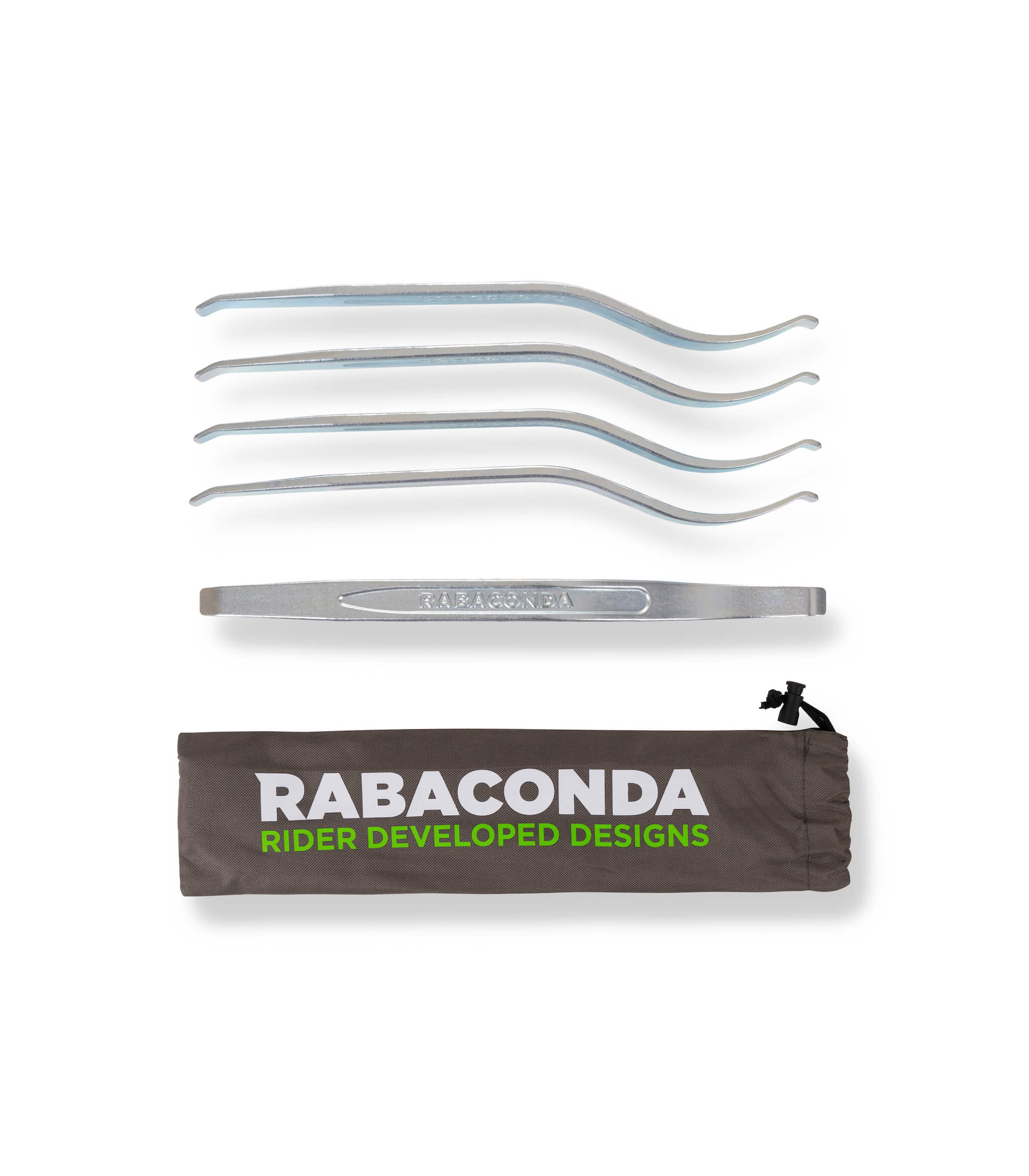
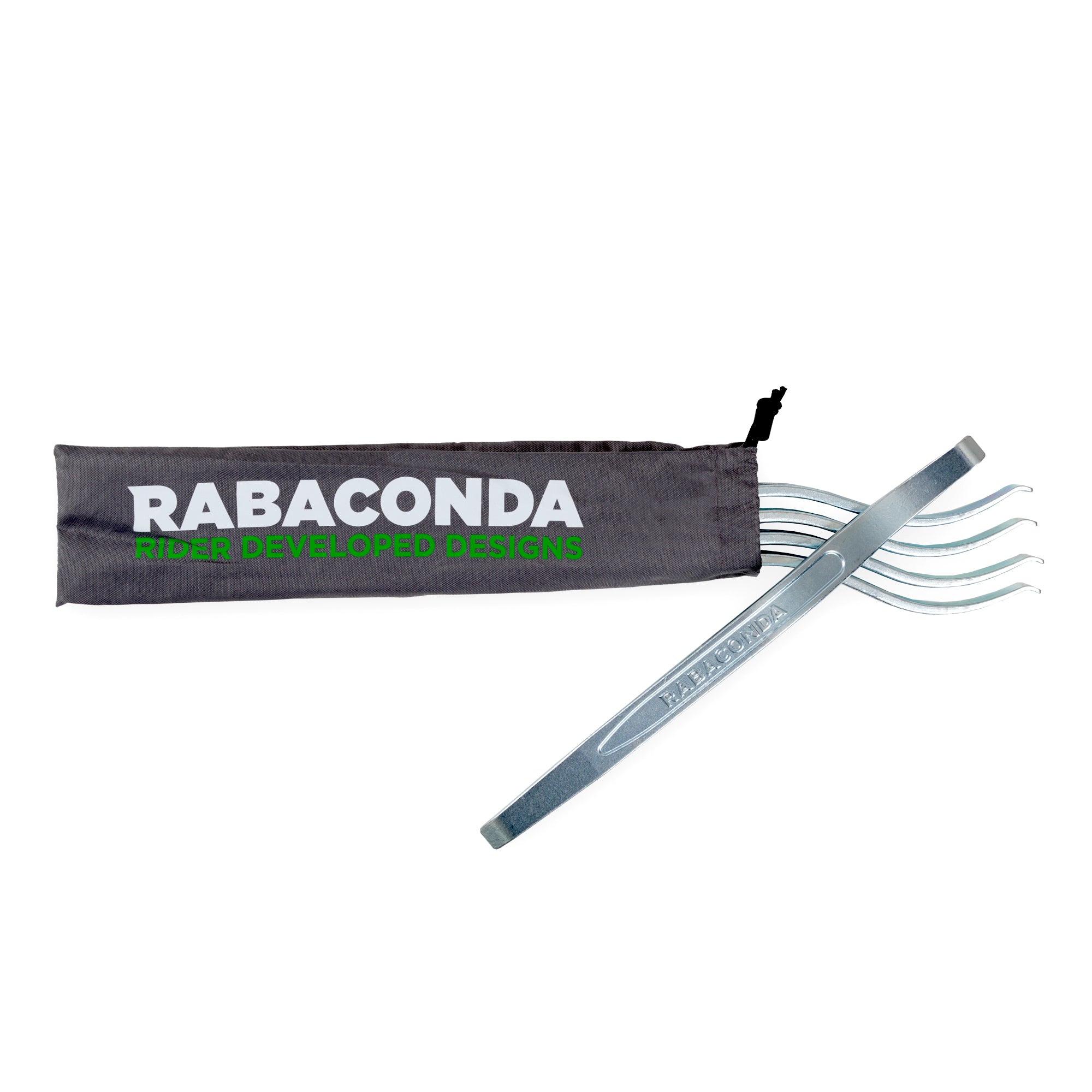
This is how most riders start, and there's no shame in it. A basic set of tire irons runs $20 to $40, and if you've got a clean patch of garage floor and some patience, you can absolutely change your own tires this way. Plenty of riders have done it for years.
The catch is that everything hard about tire changing gets harder without a stand: breaking the bead usually means body weight and a prayer, there's nothing protecting your rim except your own care and you're working at floor level the whole time, which is rough on your back and your knees after tire number two.
Best for: riders who change tires rarely, already own the basic tools and don't mind the physical toll for an occasional job. (Note: This method is preferred by those who enjoy getting frustrated and looking like they just lost a wrestling match after changing their tires.)
The next step up is a basic stand with a built-in bead breaker, the kind of thing you'll find at retailers for well under $150. Harbor Freight's own Pittsburgh-branded motorcycle stand, for example, has sold for under $90.
These get you off the floor and give you a dedicated bead breaker, which is a real improvement over irons alone. What you're giving up is rim protection (most of these use bare metal contact points) and refinement. The user experience on these budget stands are mixed: some riders get years of reliable use out of them, especially when paired with better tire irons; others find the overall ease of use to be not what they were expecting and are left wanting more…so much so that they often upgrade entirely or heavily modify this type of stand.
Best for: riders on a tight budget who change tires occasionally and are comfortable adding their own rim protection (tape, rags, extra care) to compensate for what the stand doesn't provide.
This is where things get serious, and where most home mechanics who change tires regularly end up. Machines in this tier add real rim protection, integrated bead breakers with actual leverage and wheel compatibility that covers most of what's on the road.
The No-Mar Classic HD (around $595 base) is a well-regarded example: a welded steel stand with non-marring polyethylene contact surfaces, a swiveling overhead arm and a waist-high bead breaker. It's built to bolt down in a dedicated shop space, and for riders with that space, it's a long-term workhorse.
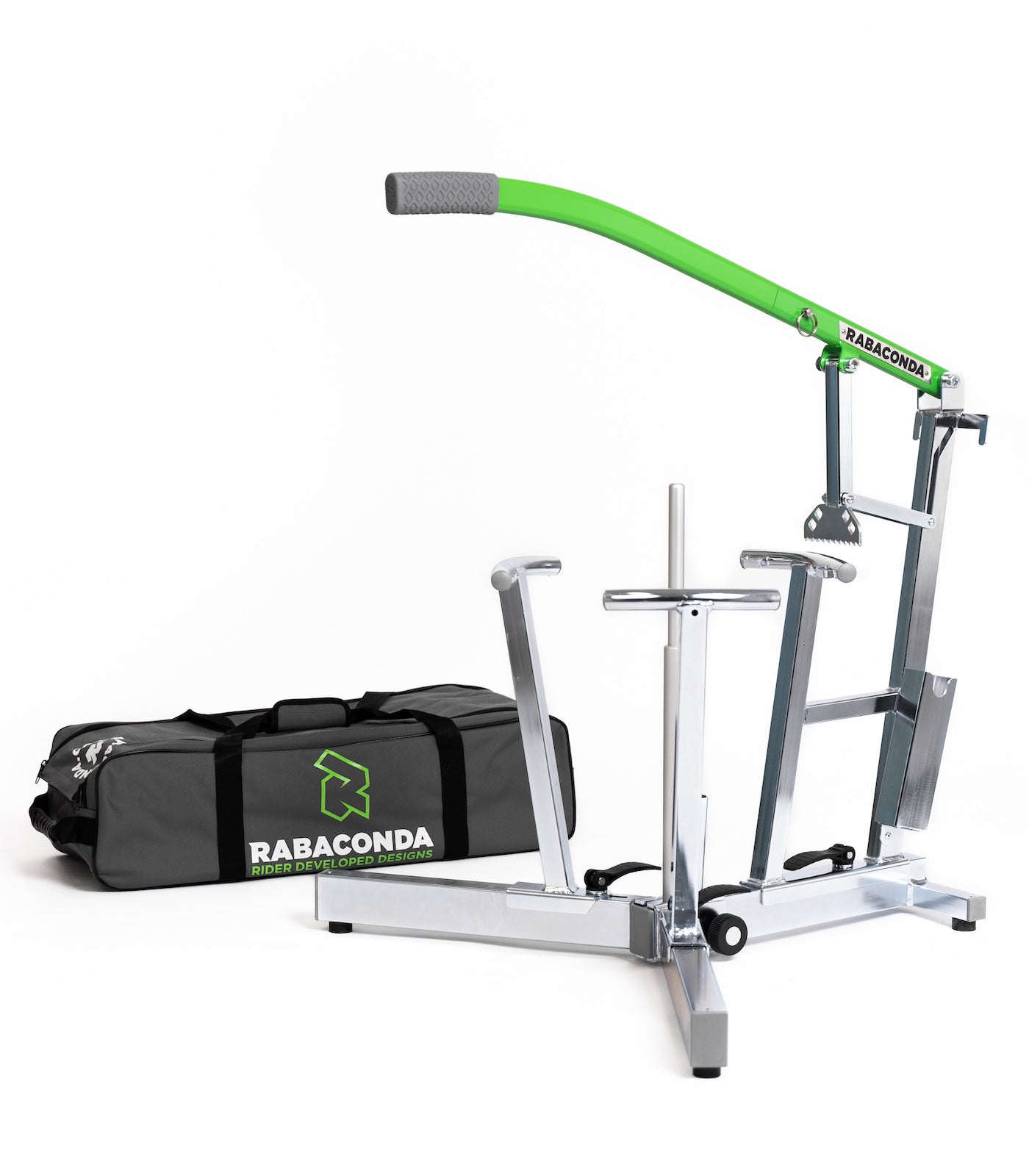
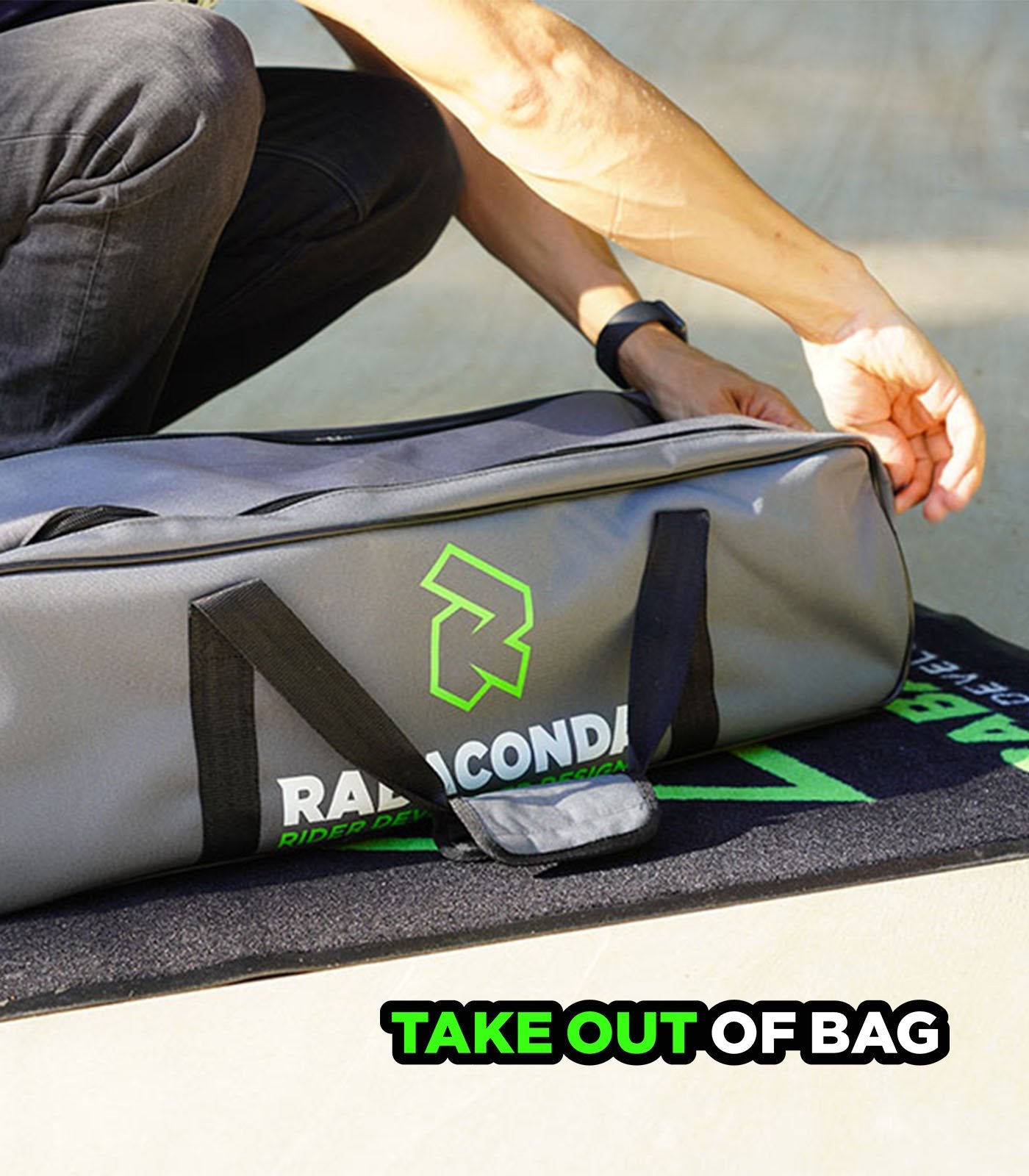
The Rabaconda Street Bike Tire Changer ($739) takes a different approach to the same problem. It's built around an innovative ratcheting duck head system with plastic wheel support pads for scratch-free rim contact, works on 12-21 inch wheels and tires up to 250mm wide across cast, spoked and cross-spoked wheels and assembles and breaks down without tools in a compact carry bag weighing just under 31lbs. Instead of bolting to the floor, it packs away when you're done, which matters if your garage doubles as anything other than a dedicated shop.
Best for: riders who change tires several times a year, care about their rims and want either a semi-permanent shop-grade setup (No-Mar Classic HD) or a portable one that still delivers near-shop results without a dedicated floor mount (Rabaconda Street Bike Tire Changer).

At the top end are machines like the No-Mar HD Max and true shop equipment: heavier frames, wider tire capacity (up to 330mm on the HD Max), multiple bead breakers at different heights and accessory packages that can turn a garage into a full-service station. These are built for shops, race teams and riders working on everything from sport bikes to cruisers to light trucks.
The tradeoff is size, weight (the HD Max ships around 108lbs) and price. If you're not running a business or working through a fleet of bikes, this tier is usually more machine than the job calls for.
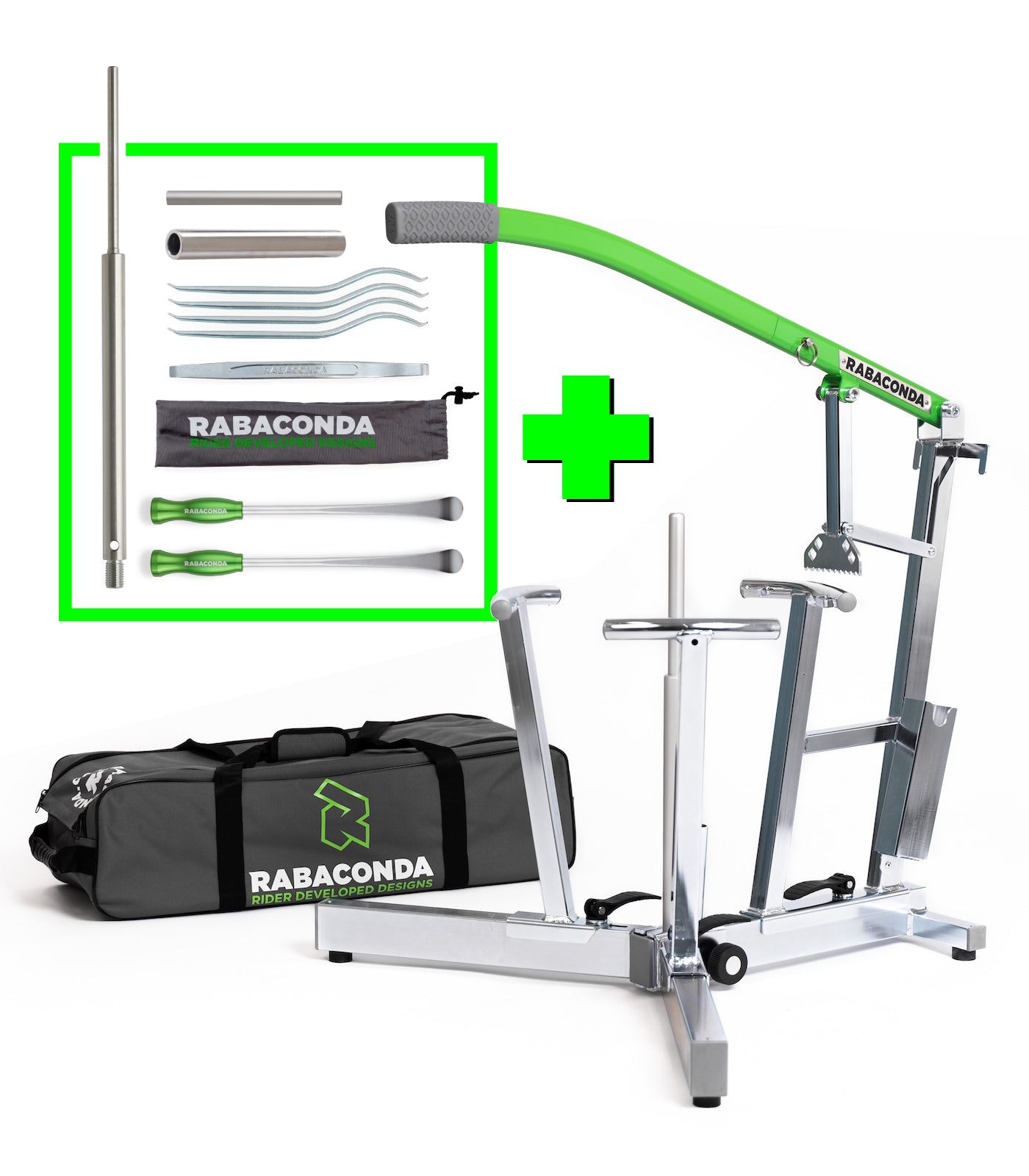
That said, "more capable" doesn't have to mean bigger and bolted to the floor. The Rabaconda Street Bike Tire Changer Ultimate Kit ($868) sits right at the entry point of this tier and takes the opposite approach: instead of a heavier machine, it's the same 30-lb portable Street Bike Tire Changer bundled with the full line of hub adapters and accessories, a Universal Big Hub Adapter, BMW Shaft Drive Adapter, Cross-Spoked Duck Head Kit, a Bead Grease Brush and Bead Grease Tire Mounting Lubricant.
The base machine doesn't change size or weight; what changes is how many different bikes it's ready for the moment they roll into the garage, cast or spoked wheels, cross-spoked rims, BMW shaft drives, single or double-sided swingarms. It's built for multi-bike garages, adventure riders swapping between road and dual-sport rubber and anyone who'd rather already have the right adapter in the bag than order one three weeks from now.

Looking further down the road, our upcoming 4-Wheel Adapter Kit (coming soon) takes that same versatility beyond two wheels entirely, allowing the Street Bike Tire Changer to handle ATV, UTV, car, pickup and trailer tires. That's the kind of versatility that usually requires a second, separate machine. For riders working across multiple types of wheels, it makes a pretty compelling case for having one tool instead of three.
Best for: shops, race teams and serious multi-bike garages that need to handle high volume and a wide range of wheel and tire sizes.
Here's the honest answer: it depends on how you ride and where you'll be doing the work, which is exactly why this category has four real tiers instead of one "best" product.
But if you're a street rider who changes your own tires more than once or twice a year, doesn't have a dedicated shop bay to bolt a permanent stand into and wants rim protection and real leverage without stepping up to professional-shop pricing, the Street Bike Tire Changer is the tier-3 pick that wins on merit.
It gets the rim protection and bead-breaking leverage of the heavier stands, covers a genuinely wide range of wheels and tires (12-21 inches, up to 250mm) and folds down into a carry bag instead of claiming permanent floor space, which matters in a lot of real garages. Rabaconda's own numbers put it paying for itself after 4-5 sets of tires compared to shop pricing, which tracks with what most riders report once they're past the first couple of practice changes.
It isn't the cheapest option on this list, but it is the option that gives most home mechanics the best combination of rim protection, compatibility and portability for the price, without requiring a dedicated shop to make sense.
What's the difference between a cheap tire changer and an expensive one?
Mostly rim protection, leverage and how well the machine holds up over hundreds of tire changes. Budget stands get you off the floor; higher tiers protect your wheels and make the bead-breaking and mounting steps genuinely easier instead of just less awkward.
Do I need a tire changer if I only change tires once a year?
Not necessarily. Tire irons and patience can get the job done for occasional changes. A dedicated stand starts paying off once you're doing it more than once or twice a season, or once you're tired of the physical toll of working at floor level.
Is a portable tire changer as good as a permanent shop stand?
For most home riders, yes. The gap in bead-breaking leverage between a well-designed portable changer and a heavy floor-mounted stand is smaller than the gap between either of them and doing it with tire irons alone. The permanent stands win on raw stability and high-volume durability; portable options win on flexibility and not needing a dedicated space.
How much should I expect to spend on a motorcycle tire changer?
Budget stands start under $150. Mid-tier machines with real rim protection and leverage run roughly $550 to $900. Professional-grade equipment starts around $1,000 and climbs from there depending on capacity and accessories.
Does a tire changer include balancing?
No, mounting and balancing are separate steps and usually separate tools. A Motorcycle Wheel Balancer is a worthwhile add-on once you've got mounting handled.
The best motorcycle tire changer is the one that matches how often you ride, how many bikes you own and how much garage space you're willing to give up. For most riders doing their own maintenance at home, that's a mid-tier portable machine that protects your rims and covers a wide range of wheels without demanding a dedicated shop bay.
If that's you, the Street Bike Tire Changer is built for exactly that job.
US & Canada: Street Bike Tire Changer
Rest of the world: Street Bike Tire Changer

