
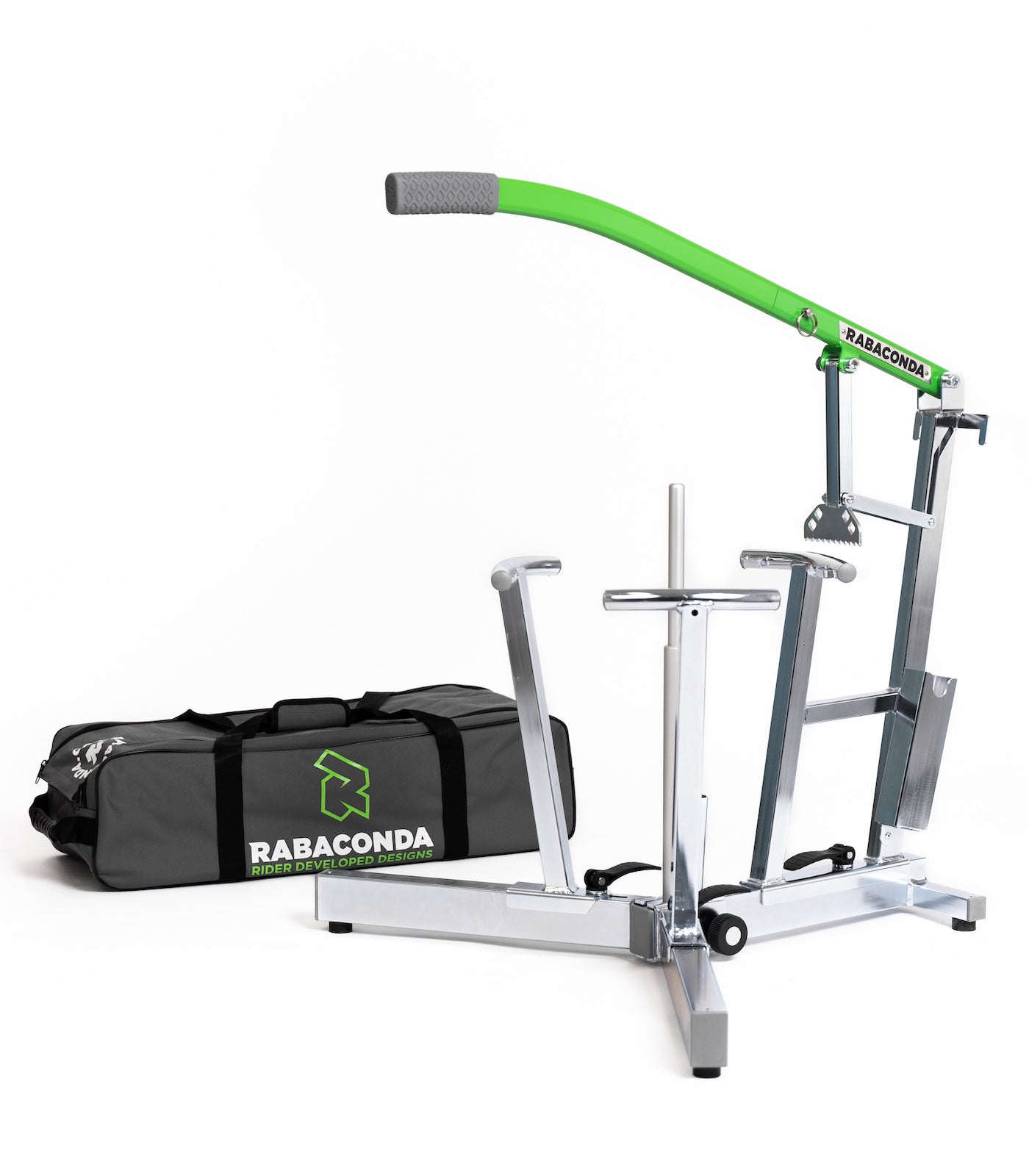

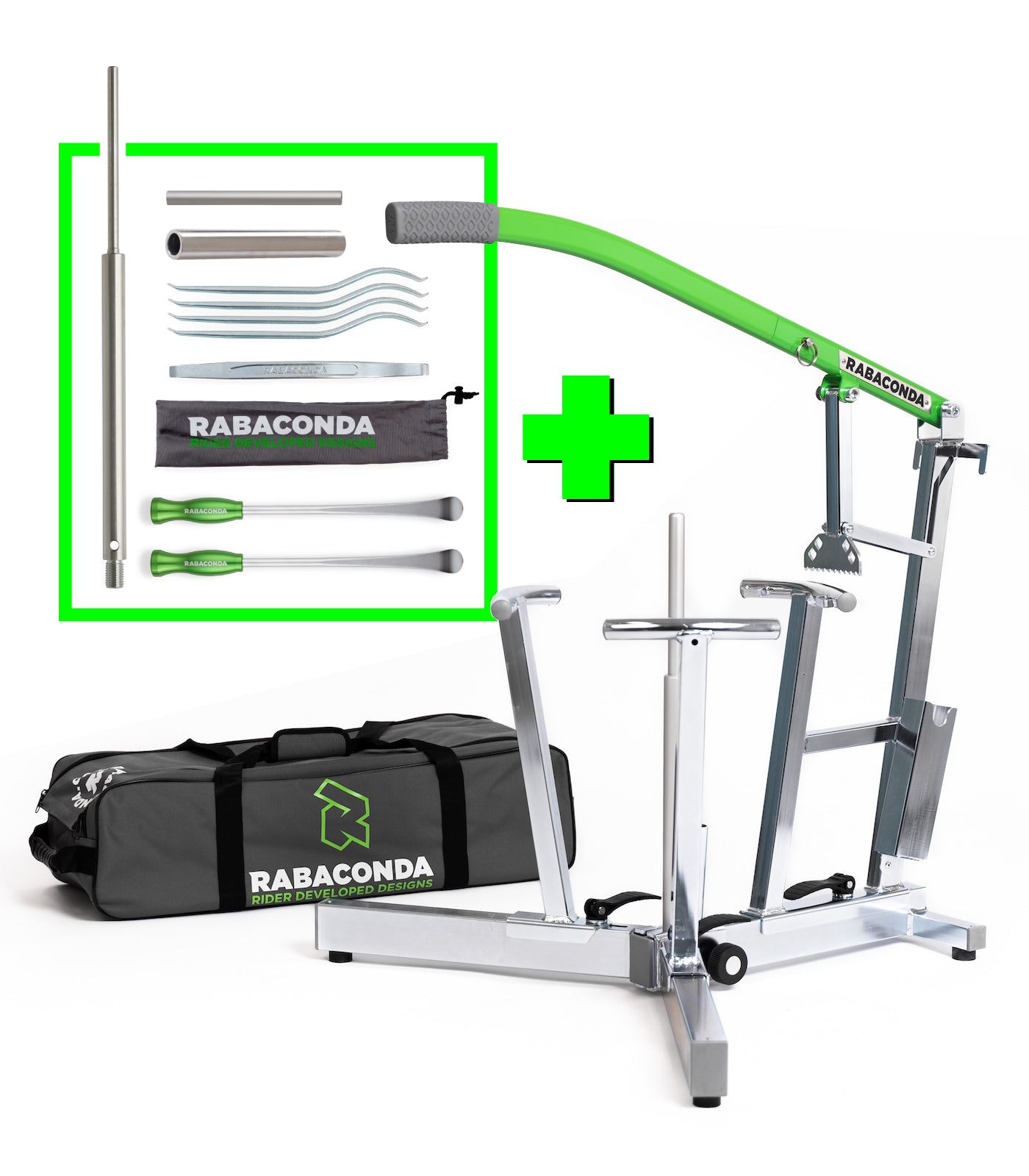


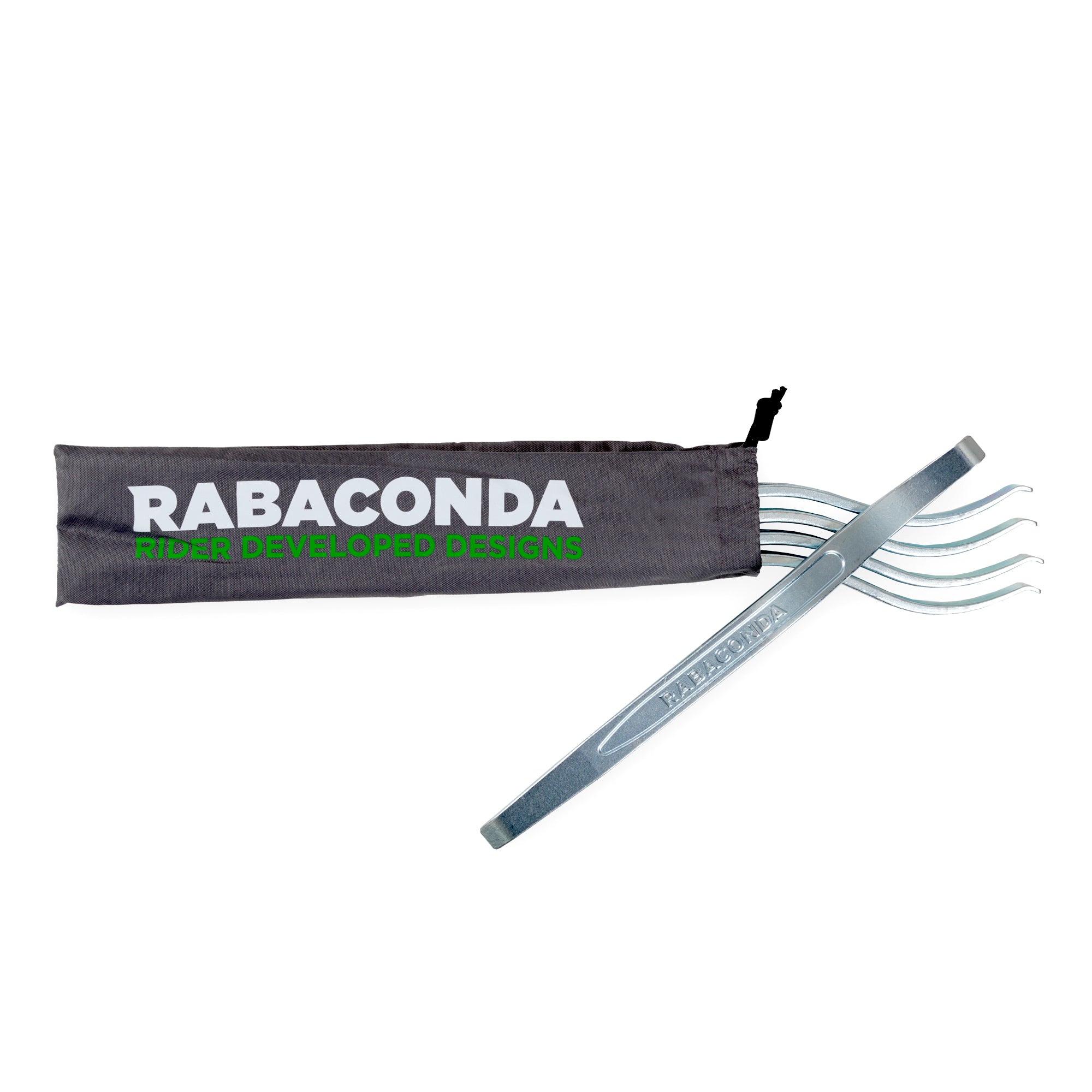

Rabaconda vs No-Mar Tire Changers
If you are comparing Rabaconda vs No-Mar Tire Changers, you are already asking the right kind of question. You are not just trying to find any tool. You are trying to find the one that...

Knowing when to change motorcycle tires is one of those maintenance questions that seems simple until you actually look at a worn tire and wonder whether it has one more ride left or is quietly asking for retirement papers.
This guide walks through the main signs a motorcycle tire needs replacing, what to watch for beyond tread depth and how to think about timing if you ride street, touring, adventure or mixed conditions.
Tread depth matters, and wear bars are there for a reason, but they are not the whole story. A tire can be worn unevenly, aged out, cupped, cracked or heat-cycled into mediocrity long before it looks obviously finished from 10 feet away.
Common warning signs include worn tread, visible wear bars, cracking, hardening rubber, cuts, puncture damage that cannot be properly repaired, flattening in the center and odd vibration or handling changes. Cupping or scalloping can also be a clue that the tire is no longer doing its best work.
Riding style, road surfaces, bike weight, tire type, inflation habits and storage conditions all affect lifespan. Two riders can buy the same tire and get very different results. That is why mileage alone is not a reliable replacement rule.
A tire that looks decent can still be past its prime if it is old, dried out or has spent years sitting in poor conditions. Rubber ages, and riding on an old tire just because it still has some visible tread is usually not the flex people think it is.

Street riders often notice wear in the center first. Touring riders may see high-mileage flattening. Adventure riders may deal with a mix of road wear and off-road damage. Your replacement timing should reflect how and where the bike is used, not just a one-size-fits-all number.
Sometimes riders delay because the bike still feels OK. Sometimes it is a cost issue. Sometimes it is because arranging shop time is a hassle. That last reason is one big reason many riders eventually move toward doing tire changes at home. When the replacement decision is easier to act on, people tend to make better timing calls.
Rabaconda is not the reason to replace a tire, obviously. The reason is safety, performance and not asking a tired piece of rubber to do one more heroic commute. But if part of the delay comes from the inconvenience of tire replacement, a home setup can make the decision easier to follow through on.
For riders who prefer DIY maintenance, a portable changer and a compact balancer can remove a lot of the friction from the process. That means when your tires are done, you can actually do something about it instead of adding the job to the list for next month.
Change your motorcycle tires when the signs say it is time, not when the tire gives you a dramatic reminder. Tread depth is one indicator, but age, wear pattern, cracks, handling feel and overall condition matter, too. The better you get at reading those signs, the easier it is to stay ahead of the problem.
Look for wear bars, low tread, cracks, uneven wear, vibration, hardened rubber and age-related deterioration.
Yes. Rubber ages over time, and an older tire may need replacing even if the tread still looks passable.
There is no universal mileage number. Riding style, surface, bike type, tire compound and maintenance habits all affect lifespan.
Not automatically. Tire lifespan depends more on compound, usage, inflation and conditions than on tube versus tubeless alone.


